Best Practices
How to Improve Your AI Code Review Process
Dec 7, 2025
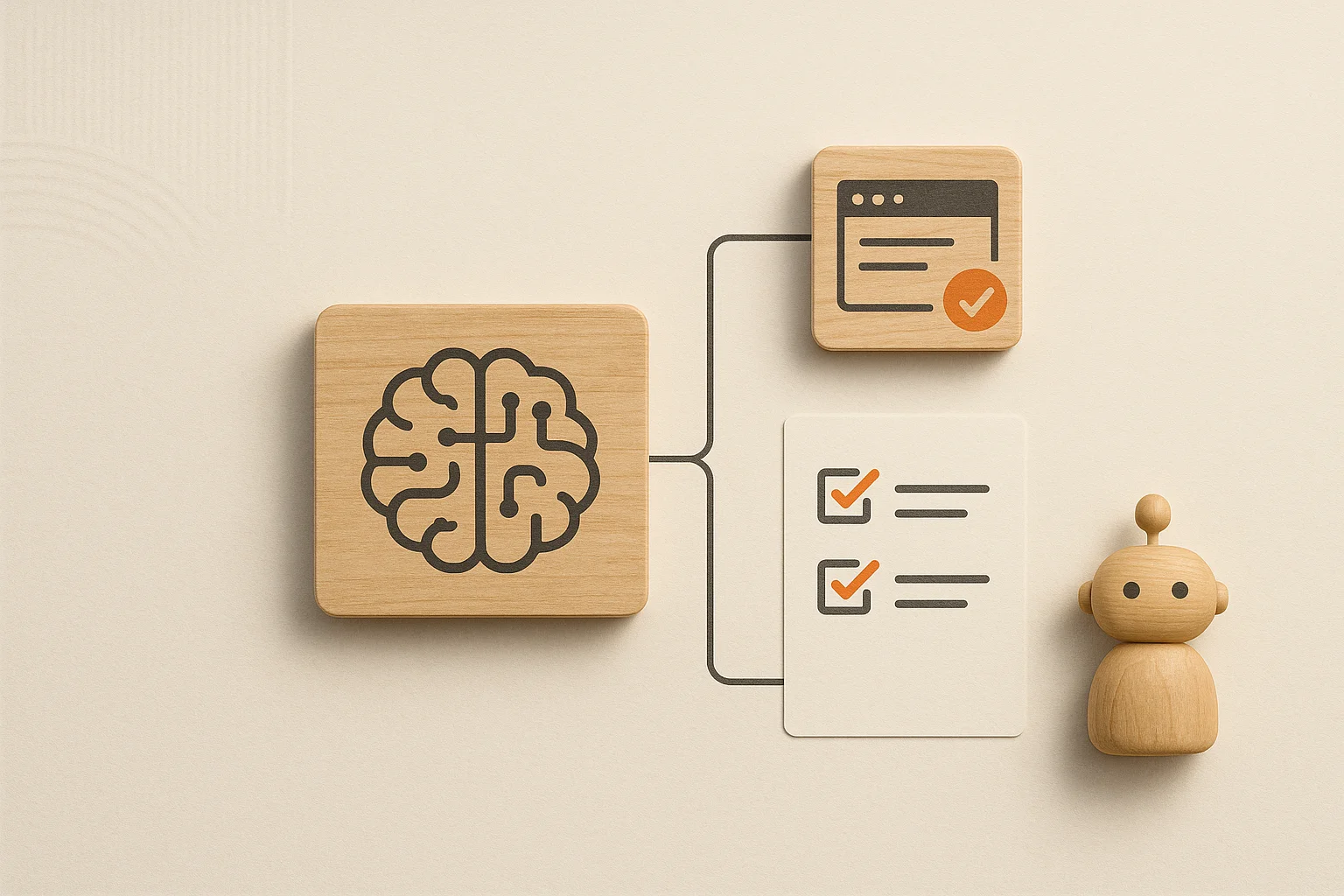
AI code review improves only when you treat it like a production service. Propel gives you the eval harnesses, routing rules, prompt operations, and trust metrics out of the box, so you can raise acceptance rates above 85 percent without building the machinery yourself.
TL;DR
Baseline precision, recall, and false positives with Propel's eval harness.
Use path and risk routing so AI focuses on code that needs context, not formatting churn.
- Version prompts, pin models, and auto-rerun evals on every change.
Give developers fast accept and dismiss flows with built-in feedback capture.
Report weekly on acceptance, latency, and escaped defects with Propel dashboards.
Quick 30-day improvement plan
- Week 1: Import a 200-PR corpus into Propel and run a baseline.
Week 2: Turn on routing, static scan ingestion, and Code Owners context.
Week 3: Tighten prompts, require approvals, and auto-rerun evals on each change.
Week 4: Roll developer feedback into routing, watch the dashboards, and expand coverage.
1) Establish the baseline
Pull 200 recent PRs that reflect your stack. In Propel, tag expected findings and false positives, then run the AI reviewer to measure precision, recall, and latency. Keep these scores visible in the dashboard.
2) Tighten routing and scope
Most noise comes from asking AI to opine on low-risk changes. In Propel, classify diffs by size, subsystem, and risk. Route only medium and high risk to AI plus human; let docs and trivial changes pass with lightweight checks.
3) Feed the right context
Static scan output so AI can focus on root causes, not lint repetition.
- Code Owners and repo metadata for relevant reviewers and paths.
Test signals: coverage numbers and failing cases so AI can suggest precise test additions.
4) Run prompt operations like code
Propel stores prompts, routing logic, and guardrails with versioning and approvals. Evals rerun automatically on changes, and releases are tagged so you can trace what improved or regressed.
5) Close the feedback loop with developers
Propel makes it easy to accept or dismiss comments and capture why. If a comment is wrong, log the category (false positive, missing context, outdated prompt). Review these weekly in product and adjust routing or prompts instead of adding generic guidance.
6) Blend deterministic checks and AI findings
Run static scanners first, then have AI consume their output. Propel suppresses duplicate findings and presents one consolidated review so developers focus on the highest-risk issues.
7) Track the metrics that show trust
- Acceptance rate and false positive rate by repo.
- Time to first AI comment and to final approval.
- Coverage across PR types (feature, refactor, hotfix).
- Escaped defects and incidents tied to reviewed PRs.
These metrics are built into Propel dashboards so improvements stay visible without extra work.
8) Communicate the rollout
Share the scope, routing rules, and how to escalate. Provide a short video or loom showing how to accept and reject comments. Propel keeps these flows consistent, so trust stays high even as prompts change.
FAQ
How fast should I expect improvements?
Teams usually see acceptance rates climb 15 to 25 points within a month once routing and prompt ops are in place. The key is to run the eval corpus weekly and publish the results.
What if reviewers ignore AI comments?
Reduce scope to high-value findings, surface comments earlier in the PR lifecycle, and share precision metrics. When comments are predictable and actionable, reviewers engage.
How do I keep latency low?
Use incremental analysis, prioritize high-risk files, and chunk large diffs. Propel sends first comments quickly while deeper analysis continues so reviewers are not blocked.
Next
Best Practices
AI Agent Inventory: What to Track and How to Build One
Build an AI agent inventory that records ownership, access, cost, outcomes, and lifecycle state so your organization can govern agents securely as they scale.
Comparison
LM Arena Coding Leaderboard: Insights for Developers
A current May 2026 snapshot of the LM Arena Code Arena leaderboard, what changed, and how engineering teams should turn rankings into safer model routing.

Best Practices
AI-Resistant Technical Evaluations: How to Review Engineers in the Coding-Agent Era
Technical interviews and take-homes need to change now that coding agents can beat legacy exercises. Use this playbook to evaluate steering, verification, and judgment instead of pretending AI is absent.