Best Practices
AI Code Review Needs Session Provenance: What to Store in Every PR
Mar 2, 2026
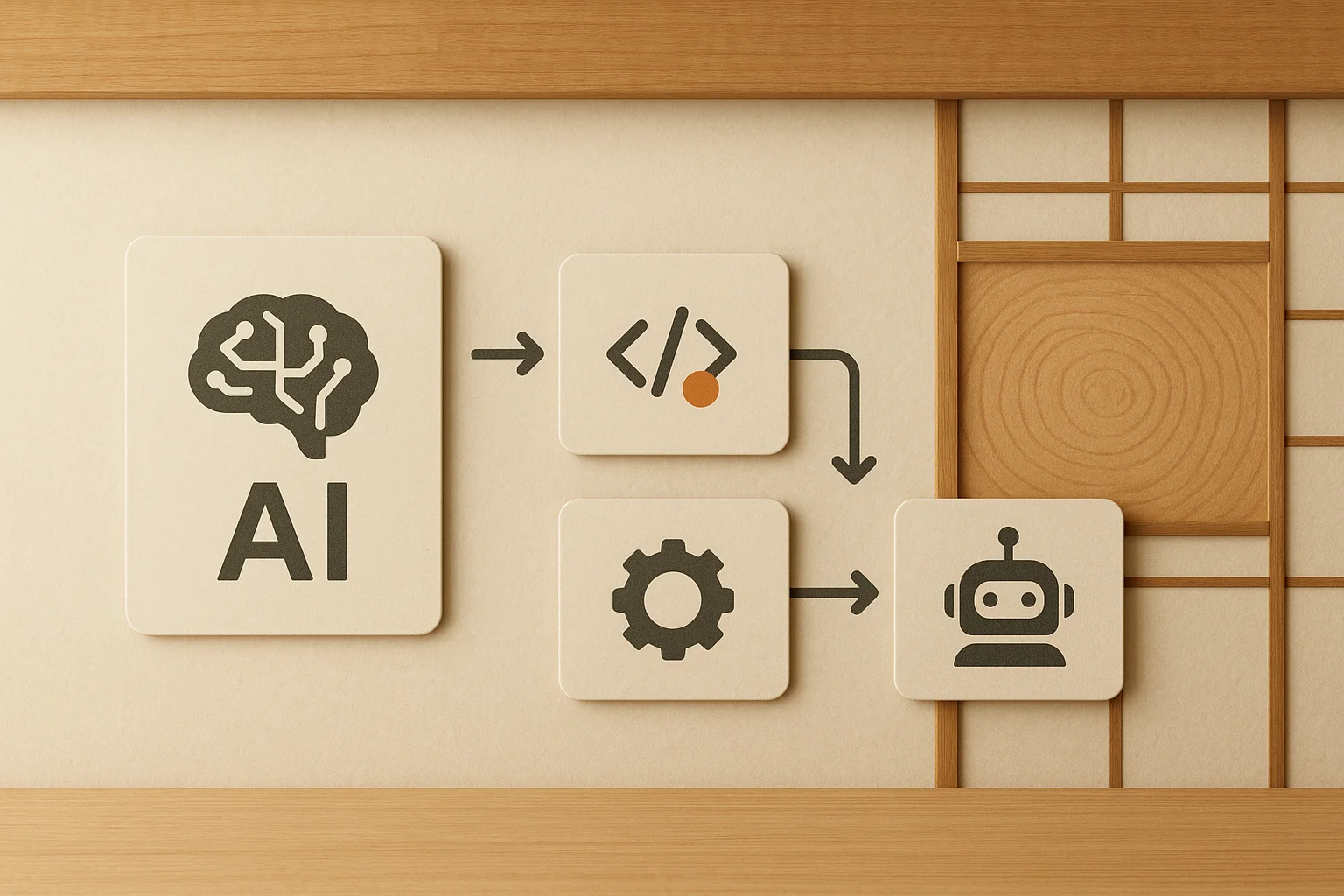
Coding agents are now shipping multi-file pull requests in minutes. That speed is useful, but reviewers often receive only a diff and a passing CI badge. The missing piece is session provenance: a compact, structured record of what the agent was asked to do, which tools it used, and which assumptions shaped the final code.
Key Takeaways
AI-generated diffs are no longer enough evidence for high-impact merges.
Session provenance should capture prompt intent, tool actions, and checkpoints.
A small schema beats raw transcript dumps and keeps review overhead low.
Risk-based routing can require stronger provenance only when blast radius is high.
Teams that operationalize provenance reduce rollback risk and audit friction.
TL;DR
If an agent wrote the code, the review should include the agent’s execution trail, not only the final diff. Require a short provenance artifact in every medium and high-risk pull request so reviewers can validate intent, tool access, and hidden assumptions before merge.
What session provenance means in code review
Session provenance is the minimum review artifact that explains how an agent produced the final diff. It is not chain-of-thought dumping. It is a policy-safe summary that gives reviewers enough context to evaluate risk and correctness.
Minimum provenance fields
- Task intent: one or two lines describing objective and constraints.
Prompt and policy version IDs: immutable references, not free-form text.
Tool calls: repositories, files, commands, and external systems touched.
Checkpoint outcomes: tests, linters, security scans, and failures encountered.
Human overrides: where a developer edited or redirected agent behavior.
Why plain diffs fail for AI-authored PRs
In classic human-only workflows, reviewers can infer intent from commit structure and author comments. Agentic workflows change that. A polished diff may hide brittle assumptions, stale docs, risky tool access, or skipped constraints that never appear in the code itself.
Risk routing: when provenance should block merge
- Tier 0: docs and small UI copy changes, provenance optional.
- Tier 1: business logic changes, provenance required but non-blocking.
- Tier 2: auth, payments, data paths, provenance required and blocking.
Tier 3: architecture or dependency shifts, provenance plus owner signoff.
- Escalation: any missing risk field auto-routes to staff reviewer.
30-day implementation plan
Week 1: define schema, risk tiers, and required fields by change type.
Week 2: collect provenance in non-blocking mode and measure completion.
- Week 3: enforce blocking for Tier 2 and Tier 3 pull requests.
Week 4: review false positives, tune policy, and publish internal playbook.
FAQ
Should we store full agent transcripts?
Usually no. Keep a compact provenance schema for routine review and retain full transcripts only for incident response, regulated workflows, or explicit policy exceptions.
Will provenance make reviews slower?
If you require it on every tiny change, yes. If you route by risk tier, it speeds up meaningful review while reducing expensive rollback and rework.
What is the first metric to track?
Track provenance completeness on Tier 2 and Tier 3 pull requests. If completeness is low, your policy is likely too heavy or tooling integration is weak.
How is this different from normal PR templates?
PR templates capture human summaries. Provenance captures machine execution context and tool scope, which reviewers need to assess AI-specific risk.
Related Reading
evidence-first AI code review
reviewing AI-powered rewrites
agentic engineering code review guardrails
stack policy for coding agents
- platform rollout plan
Sources and Further Reading
Next

Best Practices
AI Agent Inventory: What to Track and How to Build One
Build an AI agent inventory that records ownership, access, cost, outcomes, and lifecycle state so your organization can govern agents securely as they scale.
Comparison
LM Arena Coding Leaderboard: Insights for Developers
A current May 2026 snapshot of the LM Arena Code Arena leaderboard, what changed, and how engineering teams should turn rankings into safer model routing.

Best Practices
AI-Resistant Technical Evaluations: How to Review Engineers in the Coding-Agent Era
Technical interviews and take-homes need to change now that coding agents can beat legacy exercises. Use this playbook to evaluate steering, verification, and judgment instead of pretending AI is absent.